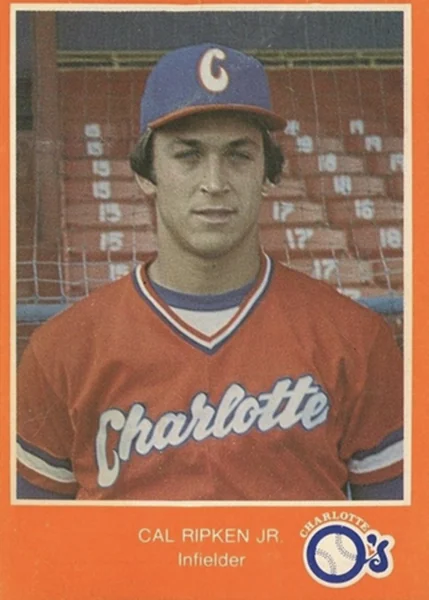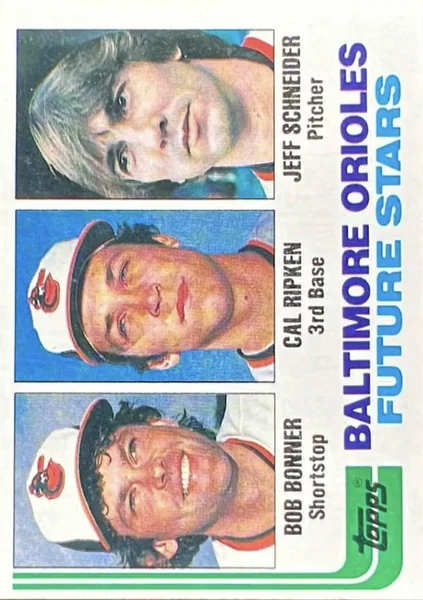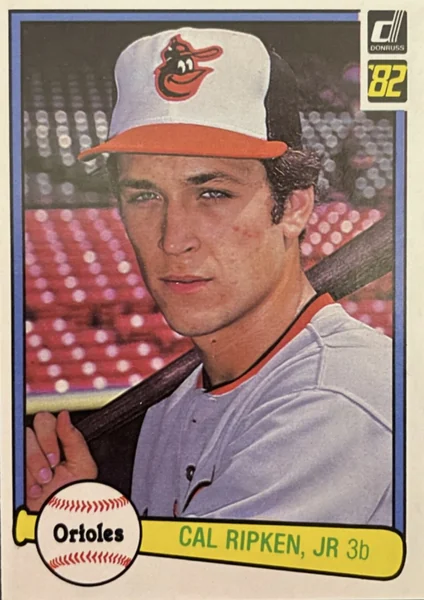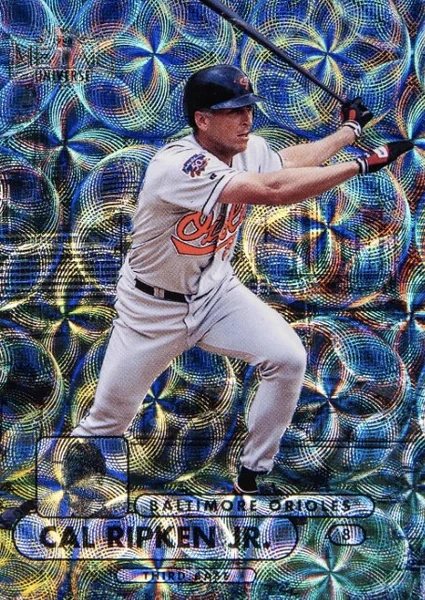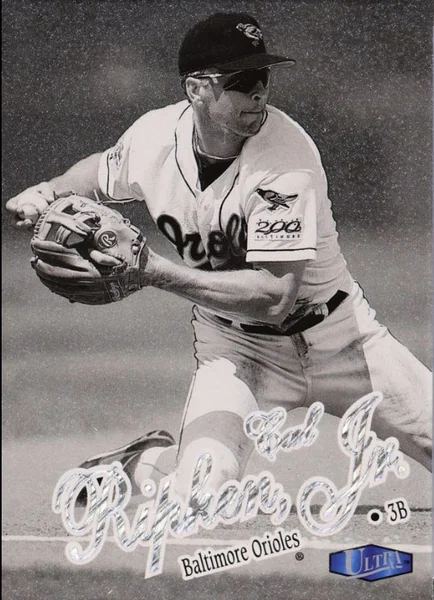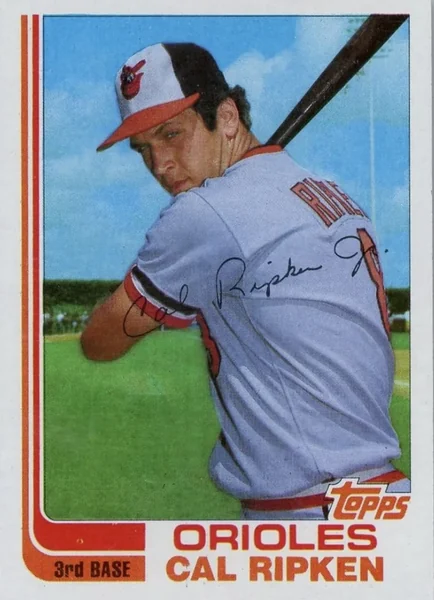
On a September night in Baltimore in 1995, a baseball game stopped in the middle of the fifth inning so that fifty thousand people could stand and cheer a man for doing nothing more than being there. He had played in his 2,131st consecutive game, passing the 2,130 set by Lou Gehrig — a record that had stood for fifty-six years and that nearly everyone, including the Iron Horse himself, had assumed would never fall. Cal Ripken Jr. jogged a lap around the warning track, shaking every hand he could reach, and a sport that had just survived a bruising strike fell back in love with itself for twenty-two minutes straight.
That is the magic of Ripken, and it is a strange and wonderful kind. He did not do it with a single unforgettable swing or a flair for the theatrical. He did it with a lunch-pail constancy that felt almost defiant — by treating every ordinary Tuesday in July as worth his whole effort, for season after season after season, until the ordinary days added up to something nobody had ever done. In a game built on the dramatic, he made a monument out of reliability.
The number people remember is 2,632 — the consecutive games, a streak so long it spanned sixteen years and two generations of teammates, and that finally pushed more than five hundred games beyond Gehrig's once-unthinkable mark. But the durability ran deeper than even that. There was a stretch of more than eight thousand consecutive innings without leaving the field for so much as a breather, ended only when his own father, managing the club, finally pulled him from a lopsided game. There was the night in the minors, before any of the fame, when he played all thirty-three innings of the longest game in professional baseball history. The body of work was, quite literally, his body — present, upright, and accounted for, longer than anyone before or since.
He made a monument out of reliability — and turned showing up into something the whole game stood and cheered.
And greatness was never only the streak. He was a two-time MVP, a nineteen-time All-Star, and, at six-foot-four, the man who quietly rewrote what a shortstop could be — proving the game's most demanding position did not belong exclusively to small, quick men. He holds the career home-run record for shortstops. He won at the plate, in the field, and in the only currency that ultimately mattered to him: he was there. To this day, no one has been more approachable, more generous with a signature, more genuinely the property of the fans who loved him.
The constancy did not end when the streak did. Together with his brother Bill, Cal carries his father's name forward through the Cal Ripken, Sr. Foundation — built in honor of the longtime Orioles man who taught them the game the right way. The foundation raises money to build youth development parks and ballfields in underserved communities, using baseball and softball as the outlet that draws kids in and the setting where mentorship, character, and a sense of belonging are quietly taught. It is the same idea that defined his career, simply pointed at the next generation: keep showing up, and build something that lasts.
In 2024 the circle closed in a way few careers ever manage. Ripken joined the ownership group that purchased the Orioles, becoming a part-owner of the franchise he had defined for two decades as a player — Mr. Oriole, now with a stake in the team itself. It is hard to imagine a more fitting next chapter for a man whose whole identity was bound to one ballclub and one city.
That is why Ripken belongs in a collection that prizes the heirloom over the trophy. His cards are not chased for a flash of brilliance frozen on cardboard. They are kept for what the man stood for — that showing up, with care, every single day, is its own kind of greatness, and maybe the rarest kind. He is the patron saint of the long game, which is exactly what building a collection is.
You remember some players for one perfect moment. You remember Ripken for never missing one.