 By
Most old collections arrive the same way: a few shoeboxes, a binder or two, cards held together with rubber bands, and no idea which of it matters. The first pass does not take expertise. It takes a clear table, a few hours, and an order to work in. By the end of an afternoon you will know roughly what you have, and which small pile deserves a closer look.
Before you start: three things not to do
Do not clean anything. No cloths, erasers or water. A wiped card is an altered card, and graders can tell.
Do not throw anything away yet, including the boxes, wrappers and any paperwork. An unopened pack, an old receipt or a shop’s price sticker can matter more than it looks.
Do not sell the first thing that looks valuable. One good card usually means there are others, and the people who make the first offer know that too.
What you need
A clean, dry table away from food and drink. A pack of penny sleeves and a few rigid toploaders from any hobby shop. A notebook or a spreadsheet. Your phone, for photographs. That is all.
Step 1: Set aside anything graded or sealed
Graded cards sit in hard plastic holders with a label across the top, from a company such as PSA, SGC or Beckett. Set them apart first; someone already decided they were worth the fee. Do the same with anything still sealed: packs, boxes, factory sets. Do not open them. A sealed pack from the 1950s, 1960s or 1970s can be worth more closed than every card inside it.
Step 2: Sort by decade
Most cards print the year on the back, often in the small type of the copyright line. Make a pile for each decade. This one step tells you more than any other, because value in old cards runs heavily by age.
Before 1970. The pile to handle with the most care. Fewer of these survived, and stars from these years can be valuable in almost any condition.
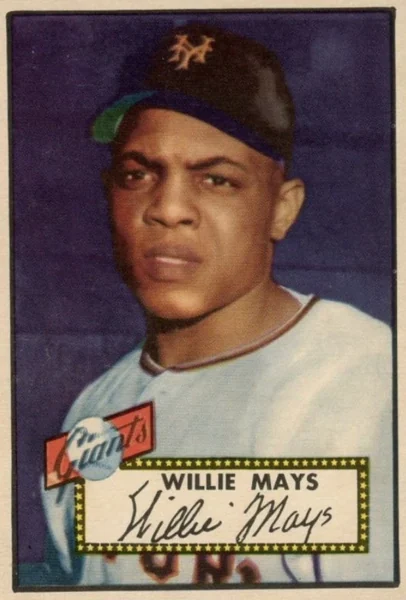
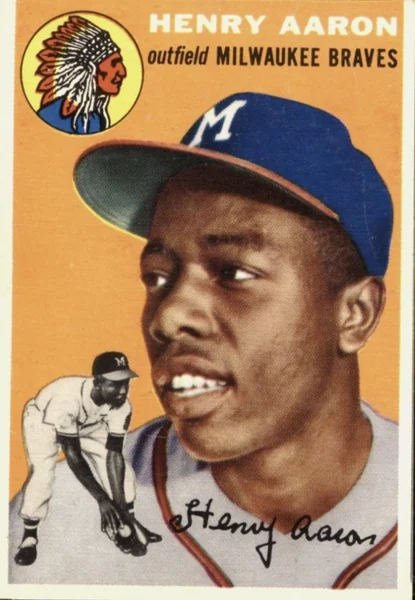
The 1970s. Worth a close look, especially for stars and rookie cards.
1980 to 1986. Mixed. A handful of famous rookie cards live here.
1987 to the mid-1990s. Usually the biggest pile and usually the least valuable, for reasons set out in why cards from 1987 to 1993 usually aren’t worth much. There are exceptions, and they can be found.
Later cards. Look for anything with a serial number stamped on it (12/99, say), an autograph, or a swatch of jersey.
Step 3: Find the stars
Within each decade, pull the players you have heard of. A useful rule: if someone who does not follow the sport would know the name, it goes in the pile. Hall of Famers carry most of the value in vintage cards. A common player from 1958 is a pleasant object; a Mickey Mantle from 1958 is a different conversation. If you are unsure, searching the player’s name with “Hall of Fame” settles it.
Step 4: Look for rookie cards
A player’s first card from a major maker is usually his most collected, often by a wide margin. Newer cards may say “RC” or “Rookie” on the front. Older cards do not, so turn them over: a back showing one season of major-league statistics, or none, is a good sign. For the biggest names, the rookie card is well known and easy to look up by year and set.
Step 5: Check condition on the short pile
By now the cards that matter should fit in one hand. Look at each under good light. Are the corners sharp or rounded? Is the picture centered between the borders? Are there creases, stains, writing or pinholes? Do not judge too harshly. A well-loved star card can still matter a great deal; condition simply tells you which cards might be worth grading (should you grade before you sell?).
Step 6: Protect it, and write it down
Put each card from the short pile in a penny sleeve, and the best of them in a toploader. Photograph the front and back. Then write one line for each: year, set, card number, player, and a word or two on condition. The rubber bands go in the trash. Everything else can go back in its boxes, now sorted and labeled by decade.
That list is the most useful thing you will make all afternoon. It is the first thing an auction house, an appraiser, an insurer or a family member will ask for, and how to document a collection shows how to turn it into a proper record.
What comes next
If the collection came to you from someone else, read what to do with an inherited card collection before anything is sold. If you are thinking of selling, every way to sell a collection sets out what each route costs. And if the short pile turned out to be empty, that is worth knowing too. The binders can go to a young fan in the family, which is often where they do the most good.